
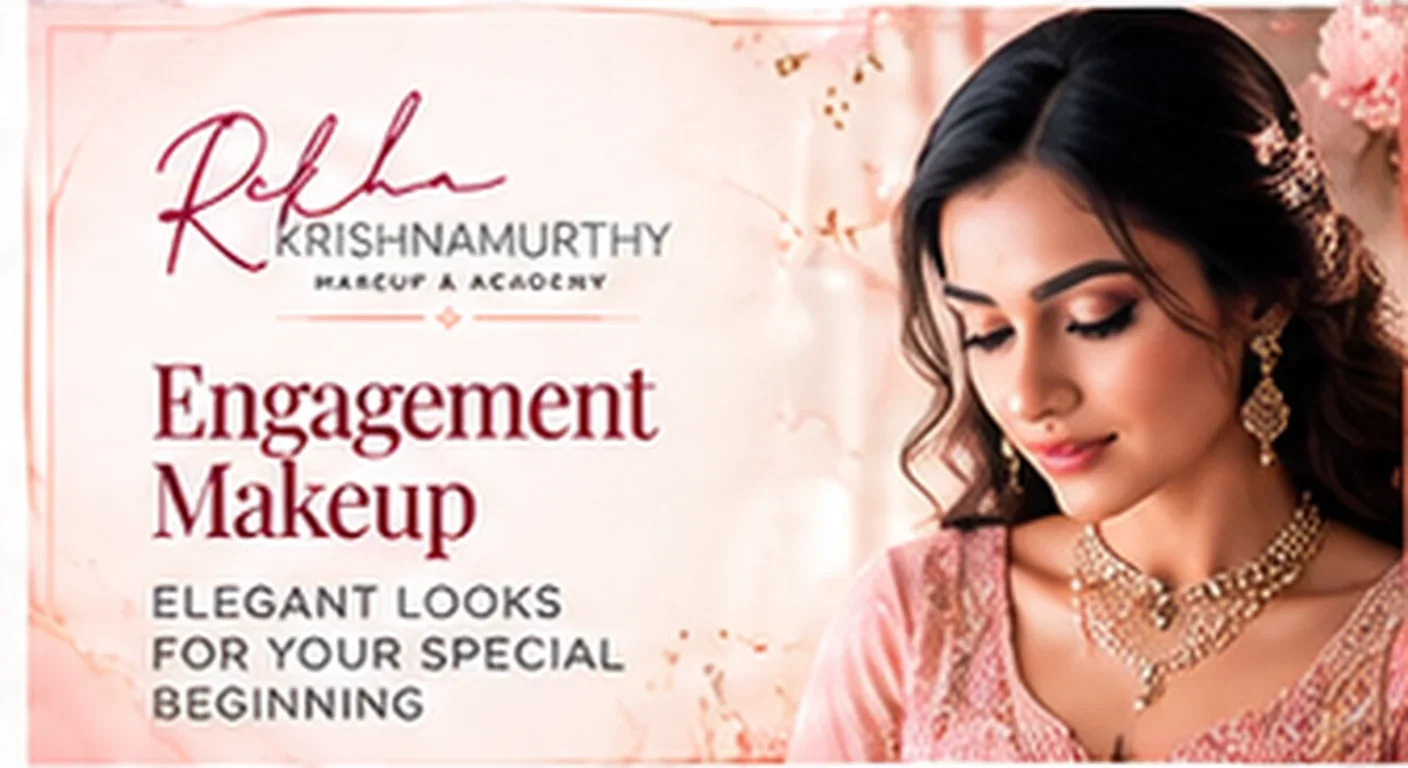
South Indian Bridal Makeup: A Complete Guide to Traditional and Elegant Wedding Looks
South Indian weddings are known for their beautiful traditions, colourful silk sarees, detailed jewellery and graceful bridal styling. Makeup plays an important role in bringing these elements together. South Indian bridal makeup focuses on creating a balanced look that complements traditional outfits, jewellery, hairstyles and the bride's personal preferences. From softly defined eyes to carefully selected lip colours and a suitable base, every detail contributes to the complete bridal appearance.
1. What Is Special About South Indian Bridal Makeup?
South Indian bridal makeup has a distinctive style because it combines traditional elements with individual beauty preferences. The overall appearance often includes a silk saree, temple jewellery, traditional hairstyles and makeup that complements the ceremony.
Unlike a look based on only one makeup trend, South Indian bridal styling considers the complete outfit. The colours of the saree, jewellery design, hairstyle and wedding rituals can all influence the makeup choices.
Some commonly considered elements include:
- A smooth and well-blended makeup base.
- Defined eyes that complement the jewellery.
- Lip colours coordinated with the bridal outfit.
- A hairstyle suitable for traditional accessories.
- A balanced finish that looks elegant in photographs.
The final style can be traditional, contemporary or a combination of both.
2. Choosing the Right Makeup Base
The makeup base creates the foundation for the entire bridal look. It should complement the bride's natural skin tone and provide the finish she prefers.
A professional makeup artist may consider skin type, coverage requirements, ceremony duration and photography conditions before selecting suitable products.
Natural-looking finish
Some brides prefer a softer finish that allows their natural skin character to remain visible. This can work well with traditional outfits and detailed jewellery.
More defined finish
Other brides may prefer a more polished appearance with additional coverage and carefully blended complexion products.
Skin preparation
Preparing the skin according to its needs can support a smoother makeup application. Brides should discuss sensitive skin, known allergies and product preferences before the wedding.
3. Eye Makeup for a Traditional South Indian Bride
Eye makeup is an important part of many South Indian bridal looks. It helps balance the overall styling and can complement traditional jewellery and sarees.
Popular choices may include:
- Kajal: A traditional element that can help define the eyes.
- Eyeliner: Used to create a clean and balanced eye shape.
- Eyeshadow: Gold, bronze, brown and other complementary shades can work with different bridal outfits.
- Mascara and lashes: Selected according to the preferred level of definition.
The intensity should depend on the bride's preferences and the rest of the look. Heavy eye makeup is not compulsory for every traditional wedding.
4. Lip Colours That Complement South Indian Bridal Outfits
Lip colour should coordinate with the saree, jewellery and overall makeup. A suitable shade can bring balance to the bridal appearance.
Some options include:
Traditional red shades
Red and deeper red tones can complement many traditional bridal outfits, particularly when the saree includes rich colours.
Pink and rose shades
These shades can create a softer appearance while maintaining an elegant bridal style.
Nude and neutral shades
Neutral colours may work well when the eye makeup or jewellery is already detailed.
The best shade depends on the complete colour combination rather than following a fixed rule.
5. Matching Bridal Makeup with Silk Sarees
Silk sarees are an important part of many South Indian wedding traditions. Their rich colours, borders and detailed designs can influence the makeup and hairstyle.
For example, a bride wearing a traditional red or maroon silk saree may prefer coordinated warm tones. A green or gold saree may work with complementary shades that create a balanced appearance.
Before finalising the makeup, consider:
- Saree colour and fabric.
- Border design and embellishments.
- Jewellery colour and style.
- Hairstyle and hair accessories.
- Wedding ceremony and photography setting.
A coordinated look does not require every colour to match exactly. The objective is to make the different styling elements work together.
6. Traditional Jewellery and Bridal Hairstyle Coordination
Temple jewellery and other traditional accessories can become important features of the bridal look. Makeup and hairstyle should complement these pieces instead of competing with them.
A traditional bun decorated with flowers or hair accessories may suit certain bridal outfits. Other brides may prefer a different hairstyle based on comfort, hair length and personal preference.
Jewellery placement should also be considered while planning the hairstyle. Discussing these details before the wedding can help avoid last-minute styling changes.
7. Traditional vs Contemporary South Indian Bridal Makeup
South Indian bridal makeup does not have to follow only one style.
A traditional look may include defined eyes, coordinated lip colours and styling that complements classic bridal jewellery. A contemporary look may use softer tones, a lighter-looking base or modern hairstyle choices.
Many brides prefer a combination of both. For example, they may wear a traditional silk saree and temple jewellery with a more subtle makeup finish.
The right approach depends on the bride's personality, wedding traditions and desired appearance.
8. How to Choose a South Indian Bridal Makeup Artist
Choosing the right professional is an important part of wedding preparation. Look for an artist who understands traditional bridal styling and can adapt the makeup according to your outfit and preferences.
Before booking, consider these points:
- Review the artist's bridal makeup portfolio.
- Check examples of traditional South Indian bridal looks.
- Discuss your saree, jewellery and hairstyle.
- Explain your preferred makeup finish.
- Share any skin sensitivities or product concerns.
- Ask about consultation, trial options and availability.
A detailed discussion can help you understand the proposed look before making your final decision.
Frequently Asked Questions
1. What makes South Indian bridal makeup different?
South Indian bridal makeup combines traditional styling with makeup choices that complement silk sarees, temple jewellery, hairstyles and wedding customs. The final look is customised to the bride's preferences.
2. Which makeup colours work well with South Indian bridal sarees?
Red, gold, bronze, rose, pink and other coordinated shades can complement different saree colours. The selection should consider the complete outfit and jewellery.
3. Is traditional bridal makeup always heavy?
No. Traditional bridal makeup can be subtle, balanced or more defined depending on the bride's preferences and ceremony requirements.
4. How should bridal makeup match temple jewellery?
Eye makeup, lip colour and hairstyle should complement the jewellery without competing with its design. Sharing jewellery references with the makeup artist can help with coordination.
5. When should I discuss my bridal makeup look?
Discuss your preferred look during an early consultation. This allows time to coordinate makeup with your outfit, jewellery and hairstyle.
Final Thoughts
South Indian bridal makeup is about bringing traditional beauty elements together in a way that reflects the bride's personality. Silk sarees, temple jewellery, eye makeup, lip colours and hairstyles should complement one another to create a balanced wedding appearance.
If you are planning your wedding, explore the relevant bridal makeup services, request a consultation or trial, and enquire about availability. A discussion with a South Indian bridal makeup artist in Bangalore can help you plan a look that respects tradition while reflecting your personal style.